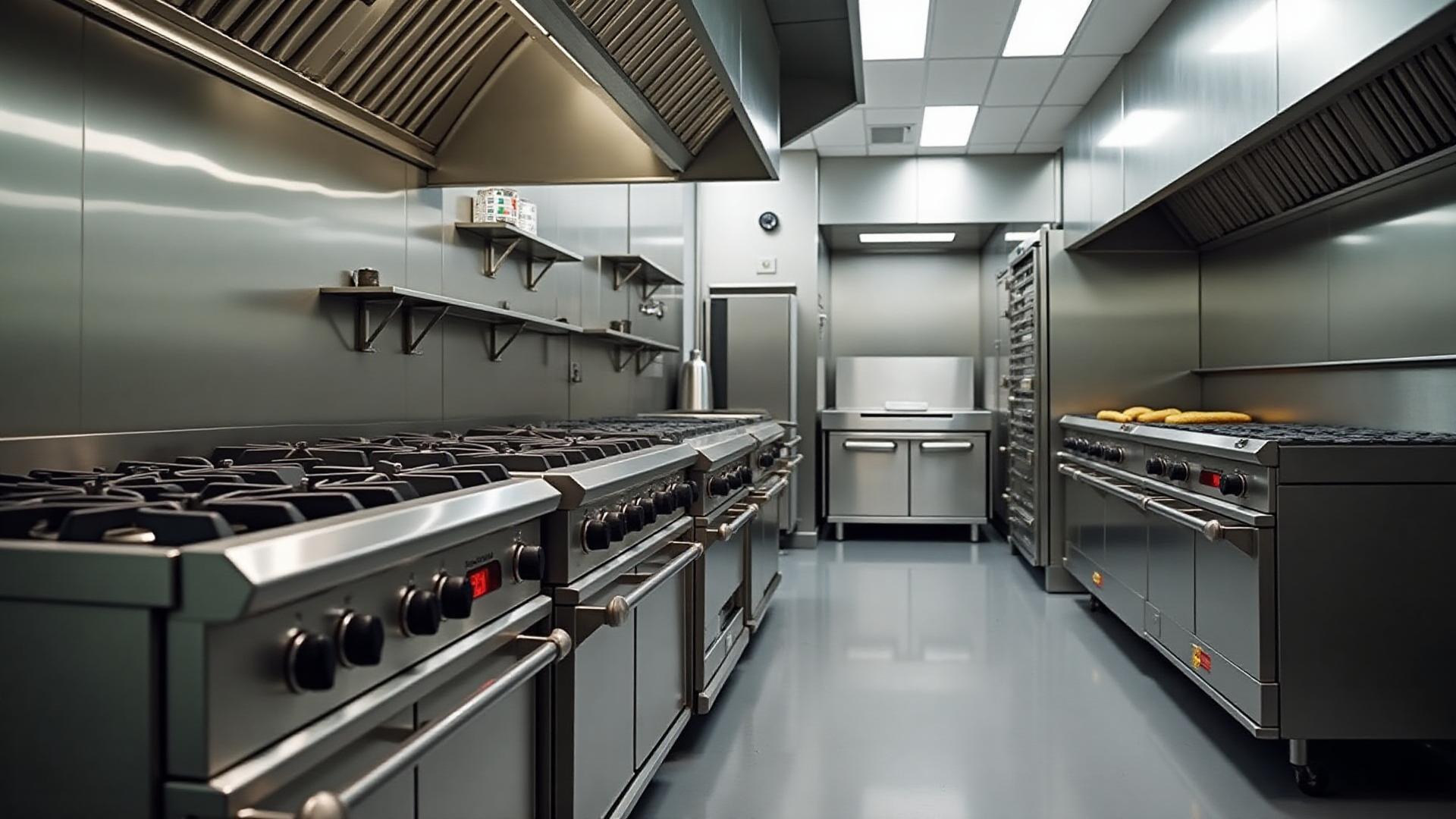
Identifying your Blue Seal appliance
Blue Seal is associated with a broad commercial cooking portfolio, not a single fuel type. Confirm the series, model and gas label before seeking a gas-service quote. Similar-looking appliances may have different gas controls and components, and an electric oven fault should not be described as a gas burner fault.
Planning a Blue Seal gas service enquiry
Explain whether the appliance has recently been moved, connected to a different supply or replaced alongside other equipment. These changes can affect connections and commissioning requirements. Replacement parts and adjustments should follow the technical information for the exact appliance rather than a generic brand assumption.
Independent enquiries, not manufacturer approval
The official Blue Seal website is linked below so you can identify the equipment and obtain the correct product information. This site does not claim to be an authorised Blue Seal service agent or to carry every part. For warranty work, contact the manufacturer or supplier first and check the terms before instructing an independent contractor. Model-specific service competence, technical access and parts availability must be confirmed for the proposed visit.
Before arranging fault diagnosis: information for your Nottingham site
For commercial gas cooking lines, ranges and fryers, start with the site address, postcode and the person responsible for authorising work. Explain whether the kitchen is trading, whether affected equipment has already been isolated and whether a landlord or facilities team must approve access. These details help define a sensible enquiry; they do not establish that an appliance is safe or guarantee an attendance time. Where a kitchen remains operational, explain which equipment can be accessed without disrupting staff or creating a risk around hot surfaces.
Gather the make, model and serial number of the relevant equipment, the stated fuel type and any available installation or service records. A clear photograph of the rating plate is useful, together with the normal operator display and an overall view of the cookline. Do not remove covers, dismantle burners or reconnect equipment to obtain a photograph. For blue seal gas equipment support, describe recent changes as well as the current symptom, including moves, new appliances, ventilation work or previous repairs.
Agreeing the scope of blue seal gas equipment support
The central considerations are appliance identity, ignition sequence, burner performance and gas supply. A useful written scope identifies the equipment included, the checks proposed and any assumptions that require a site assessment. It should distinguish the gas installation from electrical controls, water systems, ventilation equipment and refrigeration. Some appliances use more than one technical system, so being a gas engineer does not automatically establish competence for every component or every manufacturer's product.
A preliminary enquiry can lead to a survey, diagnosis, servicing or an installation proposal depending on what is found. The agreed quote should make that distinction clear. If access, technical information or the equipment condition changes the scope, further work should be discussed before it proceeds. A photograph or telephone description can help prepare a visit, but neither replaces measurements, testing or the manufacturer instructions required for a safe assessment.
Competence, ventilation and safe working
Gas work must be undertaken by a person competent for the actual gas type and equipment. Where the Gas Safety (Installation and Use) Regulations apply, check Gas Safe registration and the relevant categories on the attending engineer's identity card. Natural gas and LPG are separate considerations; domestic gas registration alone does not demonstrate the competence needed for commercial catering work. The owner has not yet confirmed a registration number for publication on this site, so no registration badge or manufacturer approval is claimed here.
For commercial gas cooking lines, ranges and fryers, the appliance cannot be considered in isolation from its surroundings. Clearances, accessible isolation, ventilation and the condition of connections can affect the assessment. Where mechanical extraction and gas controls are linked, do not defeat an interlock to keep cooking. If an engineer identifies an unsafe situation, equipment may need to remain isolated until the issue is resolved. Safety decisions take priority over keeping a particular appliance available during service.
What to retain after the work
Keep the written record of blue seal gas equipment support with your equipment information. It should explain the agreed work, the findings, relevant checks and any outstanding recommendations or restrictions. A repair record, service report, commissioning record and CP42 gas safety record serve different purposes. Ask which documentation is included rather than assuming that any one document covers all maintenance and installation obligations. A certificate does not correct a fault or guarantee the condition of equipment indefinitely.
Use the findings to update your maintenance plan and brief the people who operate the kitchen. Staff should know normal shutdown and isolation arrangements, how to report changes in performance and which operator cleaning tasks are permitted by the manufacturer. Recurring symptoms should be reported rather than treated as an accepted characteristic of an ageing appliance. Where further parts or specialist work are needed, retain the recommendation and approval trail alongside the completed visit record.
Written quotes and confirmed availability
Request a free quote for commercial gas cooking lines, ranges and fryers in Nottingham. The regional operator confirms the proposed work, attendance arrangements and pricing before work begins. This site does not publish fixed prices, guaranteed arrival times or a round-the-clock attendance promise. Explain any trading deadline or inspection requirement when you enquire, and obtain confirmation that the proposed appointment and scope meet your needs. A booking request is an enquiry until it has been accepted.
For a mains gas emergency, call the National Gas Emergency Service on 0800 111 999 from a safe location rather than waiting for an enquiry response. Avoid naked flames and electrical switches; turn off the emergency control valve if safe and follow emergency advice. For an LPG emergency, follow the supplier's emergency guidance and contact the emergency services where there is immediate danger. Do not bring unsafe equipment back into use simply because a fault appears to have cleared.